


BEST MOTORCYCLE SHOP IN CENTRAL FLORIDA
WE DO NOT CLAIM TO BE THE CHEAPEST, BUT WE AIM TO OFFER THE BEST SERVICE TO SATISFY OUR CUSTOMERS


Clutch System
The clutch system in a motorcycle is a mechanical coupling device that connects and disconnects the engine’s crankshaft from the transmission input shaft. Its primary function is to allow smooth starts, controlled acceleration, gear changes, and stopping without stalling the engine.
Basic Function
When the clutch lever is released, spring pressure clamps friction plates and steel plates together, transferring engine torque to the transmission.
When the clutch lever is pulled, the pressure plate lifts away, separating the clutch pack and interrupting torque flow, allowing gear changes or idle without movement.


Main Components
Clutch Lever & Actuation System
-
Cable-operated system (mechanical pull cable)
-
Hydraulic system (master cylinder, fluid line, slave cylinder)
This system converts rider input into mechanical force applied to the clutch pressure plate.
Clutch Basket (Outer Basket)
-
Driven directly by the crankshaft primary gear.
-
Houses the friction plates.
-
Transfers engine power into the clutch pack.
Wear symptom: Notched basket fingers causing clutch drag and inconsistent engagement.
Inner Hub
-
Connected to the transmission input shaft.
-
Holds steel plates.
-
Transfers torque to gearbox once plates are engaged.
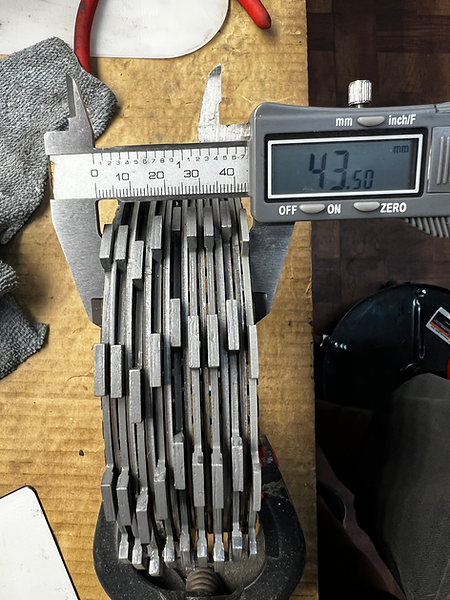
Friction Plates
-
Lined with friction material.
-
Provide the surface that grips the steel plates.
-
Soaked in engine oil in most modern bikes (wet clutch).
Wear symptom: Slipping under acceleration.
Steel Plates
-
Smooth metal plates alternating with friction plates.
-
Provide surface for torque transfer.
-
Can warp due to heat.
Wear symptom: Pulsing engagement or drag.
Clutch Springs
-
Provide clamping force.
-
Determine holding capacity.
Weak springs → clutch slip at high RPM.
Heavy-duty springs → increased holding power (common in performance builds).
Pressure Plate
-
Applies spring force evenly across the clutch pack.
-
Moves outward when clutch lever is pulled.


Types of Motorcycle Clutches
Wet Clutch (Most Common)
-
Runs inside engine oil.
-
Better cooling.
-
Smoother engagement.
-
Longer lifespan.
Used in most sportbikes, including high-performance models.
Dry Clutch
-
Operates outside engine oil.
-
More direct engagement.
-
Louder operation.
-
Used in some high-performance or specific brand applications.
Slipper Clutch
-
Allows controlled slip during aggressive downshifting.
-
Prevents rear wheel hop.
-
Common in modern sport motorcycles.
Common Clutch Problems
Clutch Drag
-
Bike creeps forward with clutch pulled.
-
Hard to find neutral.
-
Causes: warped steels, notched basket, improper stack height, cable misadjustment.
Clutch Slip
-
RPM rises but speed does not increase proportionally.
-
Causes: worn friction plates, weak springs, oil contamination.
Stiff Lever
-
Cable friction.
-
Hydraulic issue.
-
Heavy-duty springs.
Chatter or Shudder
-
Glazed plates.
-
Uneven steel plates.
-
Improper oil type.
The motorcycle clutch is a torque management system that balances smooth engagement, heat control, and mechanical efficiency. Its reliability depends on:
-
Proper adjustment
-
Correct oil
-
Plate condition
-
Spring pressure
-
Accurate assembly torque
A properly functioning clutch ensures smooth launches, precise shifting, and stable power delivery — whether for street riding or competitive racing.


BMW R1200RT-P Clutch Repair
Replacing the dry clutch plate on a BMW R1200RT-P is one of the most labor-intensive procedures we perform. Unlike most motorcycles that use a wet clutch accessible from a side cover, the R1200RT-P uses a single-plate automotive-style dry clutch mounted between the engine and transmission. To access it, the motorcycle must be systematically disassembled and separated into two major sections — front (engine) and rear (transmission/final drive assembly). The process requires removal of bodywork, fuel tank, exhaust system, wiring harness connections, rear subframe components, driveshaft, and complete transmission assembly. Once the gearbox is extracted, the clutch housing becomes accessible for removal of the pressure plate, diaphragm spring, and friction disc.
This job typically exceeds 20 labor hours due to the complexity of the boxer engine layout and the shaft-drive drivetrain configuration. During replacement, we inspect the clutch hub splines, input shaft splines, rear main seal, clutch slave cylinder, and transmission alignment dowels. Proper centering of the clutch disc using an alignment tool is critical to ensure smooth reinstallation of the gearbox and correct input shaft engagement. All fasteners are torqued to factory specifications in sequence, and clutch actuation is bled and calibrated after reassembly. Given the depth of disassembly required, this procedure demands advanced mechanical precision, experience with BMW shaft-drive systems, and strict adherence to torque and alignment tolerances to guarantee long-term reliability and smooth clutch engagement.


